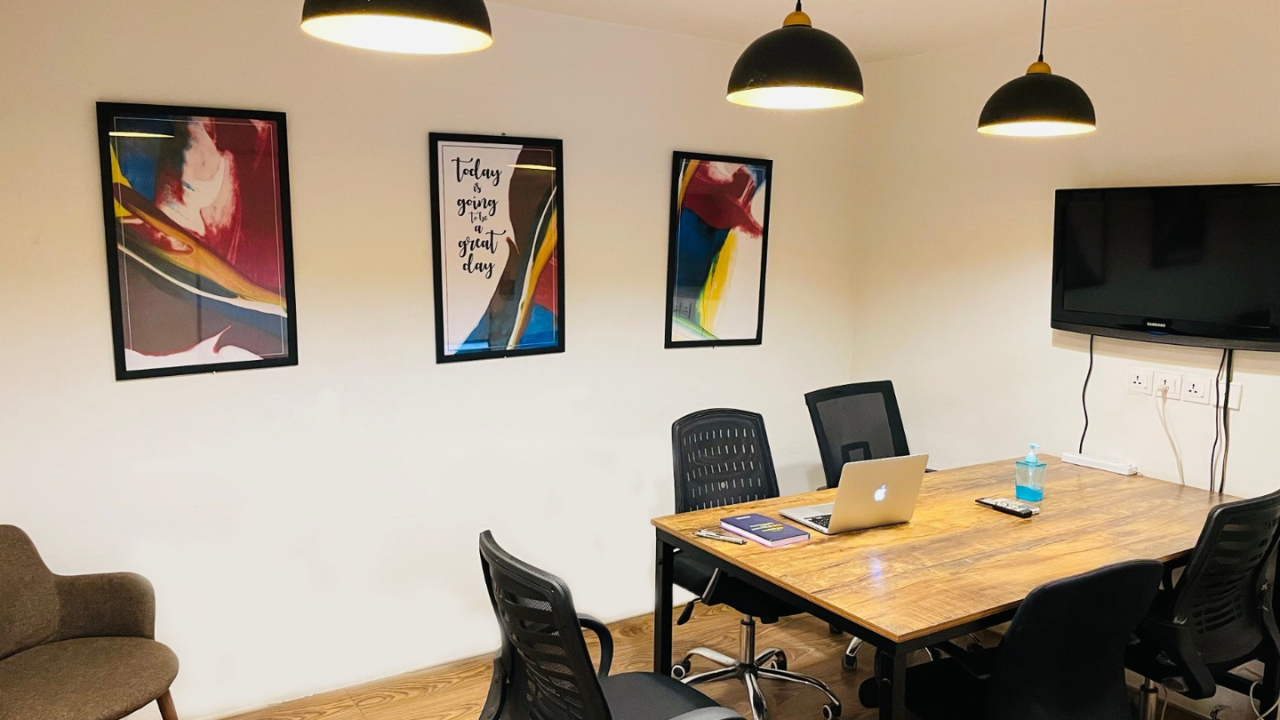
The coworking revolution is real, it’s global, and honestly? It makes a lot of sense.
Working from home started as a dream. No commute. Pajamas. Your fridge just… there. But somewhere between the 47th video call and the third load of laundry you folded mid-Zoom, the dream got a little fuzzy.
Enter the coworking space, and it’s not just a trend anymore. It’s a full-on global shift in how people think about work, community, and where great ideas actually come from.
So, How Did We Get Here?
The coworking story starts earlier than you might think. In 2005, a software engineer named Brad Neuberg opened a shared studio. It had 9 desks. It was a little chaotic. But something clicked.
Fast forward to today, and there are various coworking spaces globally. The global coworking market is expected to hit over $40 billion by 2030.
Global coworking (flexible‑office) market revenue is projected to hit roughly USD 28 to 30 billion by 2026. That’s not a trend, that’s a tectonic shift.
The Pandemic Effect (and Why It’s Permanent)
COVID-19 did something nobody quite expected: it made us all remote workers overnight, and then showed us very quickly what we were missing. It wasn’t the office itself. It was the energy. The accidental conversations by the coffee machine. The sense that you were part of something.
When things reopened, millions of people didn’t want to go all the way back. They wanted the middle ground. Flexible hours. A real desk. Fast internet. A decent flat white. That middle ground has a name: coworking.
Companies caught on too. Instead of locking talent into long-term leases across cities, businesses started opting for flexible memberships at coworking spaces, giving their teams professional environments without the overhead. It’s a win-win that nobody wants to undo.
It’s Not Just About the Desk
Here’s what the numbers don’t fully capture: people don’t just go to coworking spaces to work. They go to think better. People who use coworking spaces report higher levels of thriving than those in traditional offices, and a big reason is the mix of people around them.
When you’re surrounded by a freelance designer, a startup founder, a remote engineer, and a consultant who’s worked in four countries, you absorb ideas differently. Creativity happens in proximity to diverse people, and coworking spaces are engineered for exactly that.
The Rise in Cities Like Karachi
In Pakistan, the coworking scene has evolved rapidly. Karachi, in particular, has seen a surge in professionals who want more than a home setup but don’t need or want a full corporate office. They need professionalism without the bureaucracy, flexibility without isolation, community without the noise.
This is Where Work Hall Comes In
This is exactly the gap that Work Hall was built to fill. Work Hall isn’t just a coworking space; it’s a carefully designed environment where ambition has room to breathe. Whether you’re a solo freelancer who needs a focused space to get things done, a startup team that wants a home base without a five-year lease, or a remote employee who’s done fighting with the WiFi at home, Work Hall gets it.
The spaces are clean, the atmosphere is professional, and the community? That’s where it gets interesting. At Work Hall, the person sitting two desks away might just be your next collaborator, client, or co-founder. That’s not an accident, it’s the whole point.
Work Hall also understands that the future of work isn’t one-size-fits-all. That’s why the setup is flexible: drop in for a day, grab a dedicated desk, or bring your whole team for a private space that actually feels like yours. No long-term commitment required. Just show up, plug in, and do your best work.
What’s Next?
We’re also seeing coworking evolve beyond just desks and meeting rooms. Think wellness corners, podcast studios, event spaces, and communities built around specific industries. The coworking space of the future is part office, part club, part creative studio, and that’s a pretty exciting place to spend your workday.
The way we work has changed. The question is just where you’re going to do it. And if the answer isn’t your kitchen table or a noisy café, maybe it’s time to find a place that was actually built for you.
Leave a Reply