Walk into any mall, university area or business district in Karachi, Lahore or Islamabad and you’ll notice something that once felt foreign: queues for cold brews, people photographing their foamy lattes, and people taking pictures at the Coffee house. Coffee in Pakistan has graduated from a niche indulgence to a visible culture and the engine behind that movement is clear: Millennials and Gen Z. Here’s why younger Pakistanis have turned coffee into more than a beverage into a ritual, a status symbol, and a subculture all at once.
Coffee as identity and ritual
For Millennials and Gen Z, coffee is rarely just about caffeine. It’s a small, repeatable ritual that signals taste, routine, and identity. Younger consumers use coffee choices. Many people drink an iced latte every day and some drink hot spanish latte everyday to start the day.
The role of social media and aesthetics
Visual platforms like Instagram and TikTok turned drinks into content. Latte art, layered iced drinks, and carefully shot café corners are perfect for feeds and short videos. Gen Z in particular prizes shareable experiences: the cup, the décor, the playlist, even the straw, all become content fodder. This makes cafes themselves part-stage, part-product: people don’t only buy a coffee, they buy a photo opportunity and a moment to curate. Many instagram users post coffee pictures as carousels with tags of the particular place.
Changing tastes and experimentation
Younger drinkers are more experimental than previous generations. They’re open to cold brew, flavored espresso drinks, specialty pours, non-dairy milks, and hybrid beverages (think: coffee + dessert). This experimentation encourages both international chains and local brands to come up with new additions in the menu.
Social and work patterns
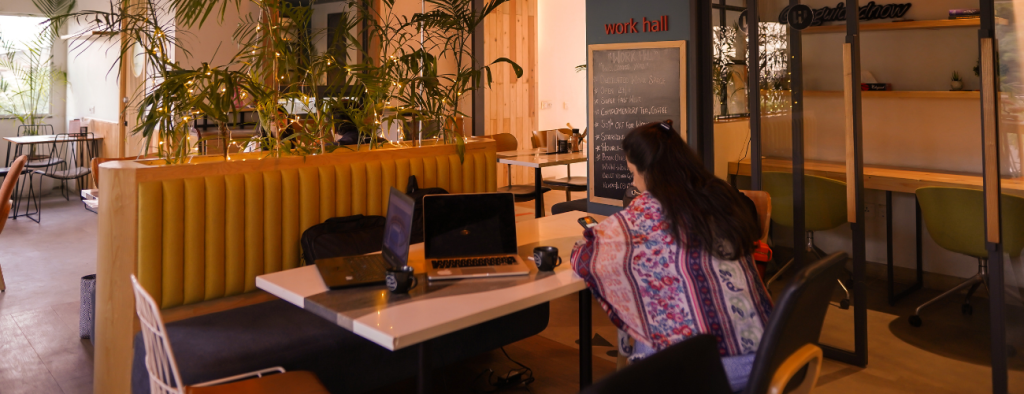
Cafes are more than afternoon treats for freelancers, students, and young professionals they are third spaces: places to work, meet, or study outside home and office. Reliable Wi-Fi, long opening hours, and comfortable seating make coffee shops ideal for remote work and group study. For urban Millennials and Gen Z managing flexible schedules and seeking public-but-comfortable spaces, cafes provide functionality plus the social ambience they crave. Coffee Waghaira is well known for offering the work space to the people coming for coffee. They can buy a coffee and work there with their laptop.
Global brands meet local demand
The presence of international and regional chains alongside local specialty cafes has normalized coffee consumption across income brackets. Names like The Coffee Bean & Tea Leaf and Costa Coffee have established recognizable menu standards and broad accessibility, while homegrown brands and specialty bars push boundaries. Drop Coffee, Gloria Jean’s and Melbrew each have distinct positioning. Local brands have engaged creative marketing agencies to create their brand positioning.
Brands shaping the scene (quick tour)
- The Coffee Bean & Tea Leaf — an established international brand with local outlets, familiar flavors, and a loyal following that helped normalize branded cafe visits.
- Costa Coffee — global chain that expanded into Pakistan in recent years; its arrival signaled maturity in the commercial cafe market and widened choices for mainstream consumers.
- Drop Coffee — a local speciality bar focused on craft and design; its branding and niche menu appeal strongly to younger coffee lovers.
- Gloria Jean’s — regional presence with a comfort-menu approach; popular in malls and late-night hangouts, it bridges casual and social coffee outings.
- Melbrew — a rapidly growing local chain that markets itself on “Melbourne-style” specialty drinks and youth-focused branding, winning attention on social platforms.
Local innovation and hybrid identities
Pakistan’s coffee scene isn’t simply copying global menus; it adapts them. Local sweeteners, condensed-milk twists, and fusion beverages (e.g., dessert-coffee hybrids) have emerged, showing how younger consumers prefer flavors that blend international technique with local taste. Cafes that successfully mix authenticity with novelty offering both high-quality espresso and a “Spanish latte” or local dessert pairing. Local brands in Karachi, Lahore, Islamabad, Multan and Faisalabad are attracting young customers as they are the biggest and the quickest source of Word of Mouth marketing.
What this means for cafes and marketers
If Millennials and Gen Z are the demand drivers, then cafes must think beyond taste: they must craft experiences. That means investing in aesthetic interiors, strong social-media presence, flexible seating, plug points and playlists plus menu innovation and seasonal drops that spark repeat visits. Loyalty programs, student discounts, and collaborations with local creators can deepen relationships with the youth demographics who will keep cafes buzzing for years. These cafes and coffee houses are the best places to do networking and meet different type of people.
Leave a Reply