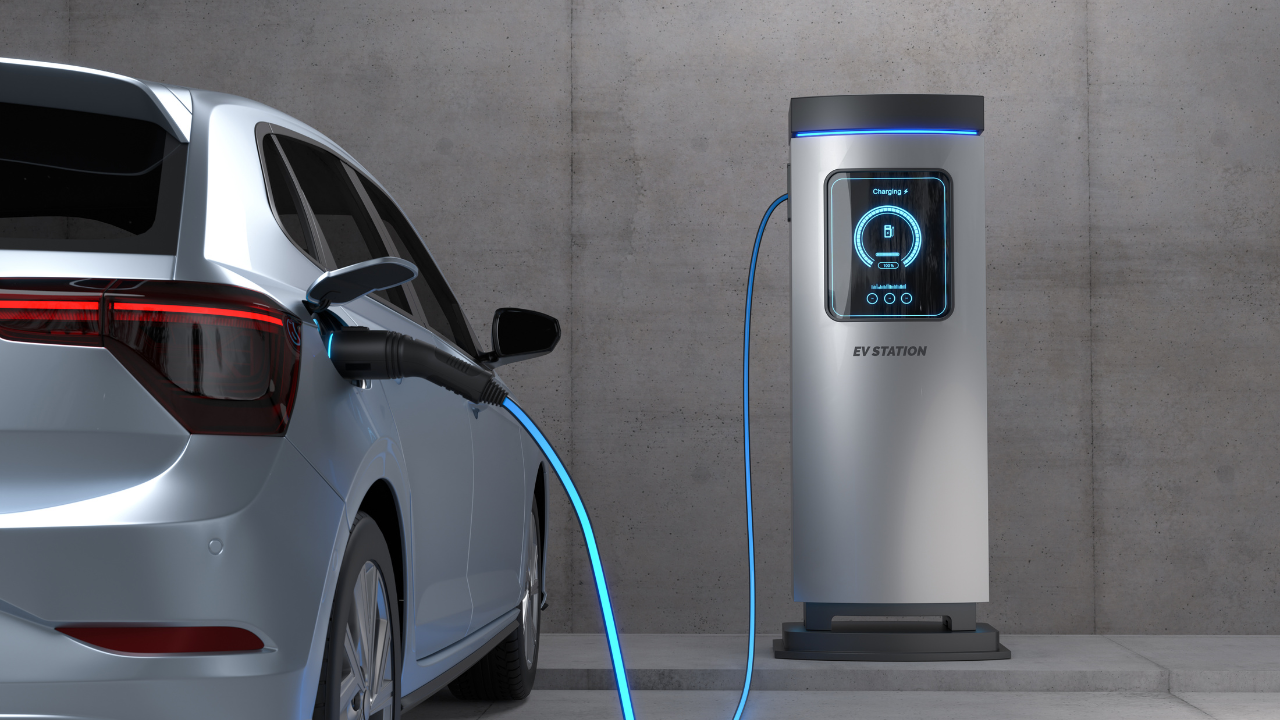
Being a developing country, the growth of EVs is truly astonishing. The current state of electric vehicles is still at the nascent stage. That’s why you don’t see that many cars on the roads.
But still, Pakistan is trying its best to join the race of EVs and is rapidly picking up pace. The growth is exciting, but it is also filled with struggles.

Current State of Electric Vehicle Growth
Pakistan’s electric vehicle market is still in its infancy, but it’s growing faster than many expected. The numbers tell an interesting story.
Two-wheeler EV sales jumped 191% year-over-year to around 90,000 units in 2025, pushing total EVs past 76,000. Overall vehicle market grew 40.8% YTD through November 2025, with EVs capturing a rising but small share.
Key Drivers of Growth of EVs in Pakistan
1. Government Policy & Incentives
The government understands that electric cars are essential in Pakistan. They provide tax exemptions to make them appealing to consumers. NV Policy 2025-30 that began in mid-2025 provides up to 15 million rupees in vehicle subsidies and tax reductions, and targets 30 percent of the vehicles sold to be electric by 2030.
The government is also working with private companies to expand the charging infrastructure. While still limited, the network is growing.
2. Economic & Environmental Imperatives
Pakistan imports billions of dollars’ worth of petroleum products every year. This massive import bill strains the economy and drains foreign exchange reserves. Electric vehicles offer a way out by offering a chance to reduce this dependency significantly.
As an individual, you must be concerned about its high prices. But in the long term, EVs offer substantial savings. In a country where petrol prices can swing wildly, this predictability is valuable.
Major Challenges & Hurdles
1. Infrastructure Remains the Elephant in the Room
Charging stations are still too few and far between. While you might find them at upscale shopping centers in Islamabad, try finding one in smaller cities or along most highways. Range anxiety is real and prevents many potential buyers from taking the plunge.
2. The Electricity Crisis Presents a Cruel Irony
Pakistan struggles with power generation and load shedding. Adding millions of electric vehicles to an already strained grid could worsen the situation. Without significant investment in renewable energy and grid infrastructure, the EV revolution could stall before it truly begins.
3. Cost Barriers Are Another Major Hurdle
Even with tax exemptions, electric vehicles remain expensive compared to used petrol cars that dominate the market. For a country where most people are extremely price-sensitive, affordability is crucial. Until prices of electric vehicles come down substantially or financing becomes more accessible, mass adoption will remain elusive.
4. The Automotive Ecosystem Needs to Catch Up
Mechanics trained to work on traditional engines often lack the skills to service electric vehicles. Spare parts availability is limited. Resale values are uncertain. These practical concerns weigh heavily on potential buyers’ minds.
5. Public Awareness Is Still Lacking
Many Pakistanis don’t fully understand how EVs work, their benefits, or their limitations. Misconceptions abound; some think they’re unsafe, others believe they can’t handle Pakistani roads. Education and awareness campaigns are needed to change mindsets.
Next Step: Building an EV-Friendly Ecosystem
Work Hall understands this opportunity. As a premium workplace for freelancers in Karachi, we are in a position to influence how thousands of professionals think about transportation, sustainability, and their daily choices.
When you see EV charging stations at your workplace, it normalizes the technology. It makes electric vehicles seem less like a futuristic concept and more like a practical option for your next car purchase.
For Pakistan’s EV revolution to succeed, these steps should be taken:
- – Every new commercial building, housing society, and shared workspace should include EV charging.
- – Pakistan needs to pair its EV push with serious investment in solar and wind power.
- – Businesses, community organizations, and workspaces can host information sessions about EV technology. Work Hall, with its meeting rooms and workspaces, can regularly host experts to discuss the progress of EVs.
- – Companies should be incentivized to transition their fleets to electric. Ride-hailing services, delivery companies, and corporate car pools represent huge potential markets.
Is Pakistan ready for the EV revolution? The honest answer is: not quite yet, but it’s getting there. With the right policies and infrastructure investments, it can grow exponentially.
Leave a Reply